
Safeguarding Commitment
Mtoto News is committed to ensuring that Toto Kreatives Festival 2026 provides a safe, inclusive, respectful and empowering environment in which children can participate in creative activities without fear of abuse, exploitation, harassment, discrimination or inappropriate conduct. Safeguarding is a shared responsibility; however, concerns must not be managed independently by people who are not designated to do so. Concerns should be reported through the established safeguarding structure so that they can be assessed, documented and acted upon appropriately.
Mtoto News will not tolerate abuse, sexual exploitation or abuse, sexual harassment, bullying, discrimination, violence, grooming, exploitation or other conduct that places a child at risk of harm. Safeguarding requirements apply equally to staff, partners, sponsors, mentors, professionals and other influential adults. Status or prominence does not create an exemption.
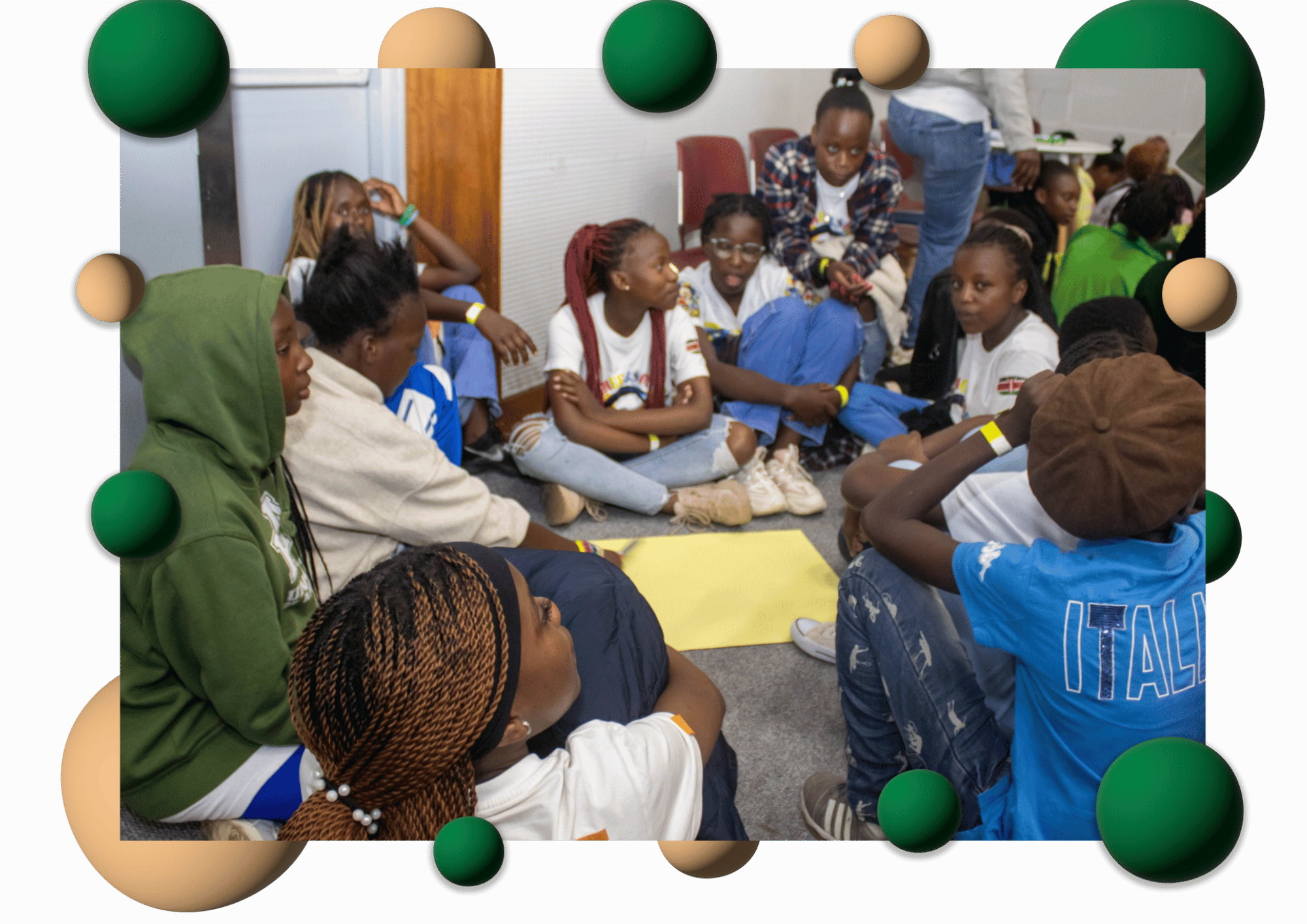
Safeguarding Principles
Best Interests of the Child
All decisions concerning children should prioritise their safety, dignity, wellbeing and best interests. Creative opportunities, publicity, programme requirements, sponsorship interests or event objectives must not take precedence over a child’s safet
Do No Harm
Participation should not expose children to avoidable physical, emotional, psychological, sexual, reputational or digital harm. Activities should be assessed in advance so that foreseeable risks can be identified and appropriate controls put in place.
Meaningful Child Participation
Children are participants and contributors, not simply audiences or beneficiaries. They should have appropriate opportunities to express their views about activities affecting them and to contribute to the design, delivery and review of the Festival.
Respect and Dignity
Every child must be treated with respect regardless of age, gender, disability, socioeconomic background, nationality, religion, creative ability, online presence, popularity or other status.
Inclusion and Non-Discrimination
The Festival should support meaningful participation by girls, children with disabilities and children from marginalised or underserved communities. Reasonable adjustments should be made where necessary to support safe and accessible participation.
Accountability
Every adult involved in the Festival is accountable for their conduct. Being a celebrity, sponsor, professional creative, senior staff member, mentor, partner or influential person does not exempt anyone from safeguarding requirements.
Confidentiality
Safeguarding information (children personal information, safeguarding concerns) must be handled sensitively and shared only with people who need it to protect the child and manage the concern. Confidentiality must not be presented to a child as a promise that information will never be shared.
Safe Participation Over Performance
No child should be pressured to perform, appear on camera, participate in an interview, meet a professional, accept an opportunity or disclose personal information simply because an adult considers it beneficial.
Toto Kreatives brings together children with adults who may hold considerably greater professional, financial, social or creative power. The Festival also combines large crowds, public performance, digital content creation, media exposure, mentorship, talent scouting and commercial partnerships. Safeguarding therefore needs to address both ordinary event risks and risks arising from relationships, visibility and opportunity.
| Risk area | Key risks to be anticipated |
|---|---|
|
Physical and event safety |
Overcrowding, falls, unsafe stage or production areas, electrical or technical hazards, fire and other emergencies, fatigue, dehydration, medical emergencies, separation from caregivers and transport-related risks. |
|
Protection and interpersonal safety |
Bullying, harassment, sexual harassment, abuse or exploitation, grooming, inappropriate physical contact, discrimination, intimidation, neglect and exploitation of children’s creative work or talent. |
|
Digital safety |
Unwanted contact, cyberbullying, impersonation, collection or sharing of personal information, image misuse, location exposure and exploitation through online platforms. |
|
Media and publicit |
Unauthorised filming, intrusive interviews, publication of identifying information, inappropriate imagery, sensationalising children’s experiences and reuse of content outside agreed purposes. |
|
Mentorship and professional opportunities |
Private contact, grooming, unequal power relationships, unrealistic promises, exploitation of talent, inappropriate agreements, unauthorised access to contact details and financial exploitation. |
Safeguarding Before the Festival
Safeguarding preparations must be completed before children arrive at the Festival. The objective is to ensure that the people, spaces, activities and systems through which children will participate have been assessed and are ready to respond to foreseeable concerns. Safeguarding should therefore be treated as a readiness requirement, not an activity that begins once the Festival opens.
Safeguarding preparations
⮚Leadership, Staffing and Orientation
Mtoto News should formally designate the DSL and safeguarding team, identify safeguarding focal persons for key programme areas, and ensure that staff, volunteers and other child-facing personnel receive an appropriate safeguarding orientation. Partners, mentors, facilitators, service providers and other external contributors should be briefed on the Festival’s safeguarding expectations before they begin child-facing work.
Safeguarding preparations
⮚Venue and Activity Risk Assessment
The venue should undergo a documented child-focused risk assessment before the Festival. This should consider entrances and exits, crowd movement, workshop and mentorship spaces, performance and backstage areas, media zones, toilets, secluded spaces, accessibility, emergency exits, first-aid arrangements and areas where children could become separated from responsible adults. Individual activities should also be assessed where their format creates additional risks.
Safeguarding preparations
⮚Registration, Supervision and Child Information
Registration and access arrangements should distinguish, as appropriate, between children, parents or caregivers, staff, volunteers, mentors, media, partners, vendors, speakers, performers, security and venue personnel. Restricted areas should be accessible only to authorised persons. Where children require specific supervision or support, the relevant information should be established in advance and handled confidentially.
Safeguarding preparations
⮚Parent and Caregiver Engagement
Parents, guardians and caregivers should receive relevant information about children’s participation, including arrangements that affect their safety, supervision, transport, media participation and emergency contact. Where consent is required, it should be obtained before participation and supported by information that is clear enough for the parent or caregiver to understand what they are agreeing to.
Safeguarding preparations
⮚Transport and Emergency Preparedness
Where transport is arranged by the Festival, providers should be appropriately vetted and briefed, drivers should be verified, vehicles should be roadworthy and appropriate records should be maintained. Pick-up and drop-off arrangements, supervision, delayed or missing children procedures and emergency contacts should be confirmed in advance. The venue should also confirm first-aid, medical, fire, evacuation and emergency arrangements, including assembly points and relevant contacts.
Safeguarding preparations
⮚Media, Consent and Partner Readiness
Photography, videography, interviews and digital content procedures should be agreed before the Festival. Consent and assent requirements should be clear to relevant teams, and media personnel should understand boundaries around sensitive information and children’s dignity. Partners, sponsors and activation teams should receive safeguarding expectations and understand that their access to children is subject to Festival safeguarding requirements.
Safeguarding Across: 1. Festival Activities
- 1. Masterclasses and Workshops
- 2. Mentorship and Talent Scouting
- 3. Kreative Vijiji
- 4. Performances, Awards and Public Recognition
- 5. Brand Activations and Ehibition Booths
The Festival includes practical masterclasses covering areas such as podcasting, mobile content creation, financial literacy, digital journalism, digital safety, graphic design and animation, AI and content creation, talent coaching and sustainable content creation. Facilitators should receive safeguarding orientation before sessions begin and should use age-appropriate language, maintain respectful learning environments, avoid humiliating children for mistakes, provide appropriate supervision and avoid unnecessary physical contact or requests for sensitive information. Children should be able to seek help or step away from an activity when necessary.
Mentorship is a central component of Toto Kreatives and involves a particular safeguarding responsibility because professional relationships can create significant power imbalances. Mentors and creative professionals should maintain professional boundaries, meet children in observable settings, communicate through approved channels and avoid private or secret relationships. They should not make guarantees about employment, money or future opportunities. Where a professional opportunity arises after the Festival, it should be channelled through appropriate parent or guardian and Mtoto News processes rather than arranged privately. Children should not be asked to travel, audition, work, sign agreements or attend private meetings without appropriate adult involvement and safeguarding review.
Where children participate in a Kijiji, their participation should be voluntary and appropriately supported. Moderators should ensure that children have meaningful opportunities to speak without being placed under pressure by adult participants. Children should not be expected to disclose sensitive experiences or respond to hostile, controversial or inappropriate questioning. Recording and photography should follow agreed procedures, and safeguarding concerns raised during discussions should be referred through the established process.
Performances and public recognition should be managed in ways that protect children’s dignity and wellbeing. Children should not be publicly humiliated for not winning or for making mistakes. Stage and backstage access should be controlled, and any prize, internship, media opportunity, contract or professional partnership involving a child should be managed transparently and with appropriate adult involvement.
Partners and exhibitors engaging with children must comply with Festival safeguarding requirements. Children are not available for unrestricted marketing access. Staff should maintain professional boundaries, obtain appropriate authorisation for photography or recording, avoid unnecessary collection of personal information, ensure competitions and giveaways are age-appropriate, and follow the Festival process for talent scouting and professional opportunities.
Registration, Access, Transport and Emergency Safety
-
Registration and Access
Registration should support safe identification and appropriate access control without collecting more personal information than is necessary. Restricted spaces should be clearly identified and accessible only to authorised persons. Staff should know how to respond if an adult attempts to access a restricted child-facing area without authorisation.
-
Feature Item 2
If a child is reported missing or separated, the concern should be reported immediately to the designated safeguarding point. Relevant Festival personnel and venue security should be alerted discreetly, a systematic search should be activated and the parent or guardian informed as appropriate. Children should not be publicly identified through announcements containing unnecessary personal information. The incident should be documented and reviewed.
-
Medical and Emergency Response
Before the Festival, organisers should confirm first-aid facilities, qualified first-aid personnel, emergency contacts, the nearest appropriate health facility, ambulance arrangements where required, evacuation routes, fire safety procedures and emergency assembly points. Staff should know how to summon assistance and how children will be supported during an evacuation.
-
Transport
Where transport is arranged by the Festival, safeguards should include verified drivers, roadworthy vehicles, appropriate insurance, passenger records, designated pick-up and drop-off points, appropriate adult supervision, no unauthorised passengers, procedures for delayed or missing children and emergency contacts. Children should not be left alone at transport collection points.
Code of Conduct
The Code of Conduct establishes minimum behavioural expectations for adults and participants at Toto Kreatives. It should be acknowledged by relevant staff, volunteers, mentors, partners and other child-facing personnel before the Festival.
Adults MUST
-
treat every child with dignity and respect;
-
maintain appropriate professional boundaries;
-
use respectful and age-appropriate language;
-
listen to children and take their concerns seriously;
-
follow safeguarding procedures and report concerns promptly;
-
respect children’s privacy and agreed media permissions;
-
ensure activities are appropriate to the child’s age and ability;
-
maintain appropriate visibility when interacting with children;
-
follow venue, emergency and safeguarding instructions; and ●cooperate with safeguarding personnel and reasonable protective measures.
Adults MUST NOT
-
engage in sexual activity or sexualised behaviour with a child
-
sexually harass or exploit a child;
-
hit, slap, shake or physically punish a child;
-
threaten, intimidate, humiliate, bully or discriminate against a child;
-
groom a child or form secret relationships with children;
-
communicate through inappropriate private or disappearing-message channels;
-
invite children to private residences or hotel rooms;
-
meet children privately without appropriate safeguards
-
consume alcohol or other substances in a manner that compromises responsibilities;
-
use children for inappropriate promotional purposes or pressure them to perform;
-
request unnecessary personal information or access to private accounts;
-
promise employment, money or opportunities that cannot be guaranteed;
-
Take children away from designated areas without authorisation; or ignore, conceal or privately investigate safeguarding concerns
Children are Expected To
-
treat others respectfully;
-
avoid bullying and harassment;
-
respect personal boundaries;
-
follow reasonable safety instructions; and
-
Report concerns to a trusted adult and avoid sharing another child’s private information or images without permission.
Roles andResponsibilities
- Approve the safeguarding framework.
- Allocate adequate resources.
- Ensure safeguarding personnel are appointed.
- Ensure partners comply.
- Support safeguarding decisions.
- Ensure appropriate escalation.
- Oversee safeguarding planning
- Receive and assess concerns
- Maintain safeguarding records
- Coordinate referrals
- Advise staff and volunteers
- Coordinate emergency safeguarding responses
- Liaise with parents/guardians where appropriate
- Liaise with relevant authorities where necessary
- Ensure confidentiality
- Monitor the Festival’s safety before during and after the festival.
- Respond to concerns
- Support children
- Monitor high-risk areas
- Assist incident management
- provide safeguarding information
- Review workshop risks
- Brief facilitators
- Ensure age-appropriate activities
- Monitor participation
- Provide children’s perspectives
- Contribute to child-friendly planning
- Identify participation barriers
- Provide feedback
- Support child-friendly communication.
It does not manage safeguarding incidents or investigate concerns.
- Carry out mentor and facilitator activities, complying with the Code of Conduct
- Maintain professional boundaries
- Supervise activities
- Avoid inappropriate private contact
- Comply with consent and media procedures
- Protect children’s dignity
- Avoid intrusive questioning
- Protect personal information
- Follow designated photography areas
- Acknowledge safeguarding requirements
- Brief their staff
- Ensure activities are child-safe
- Comply with media/data requirements
- Maintain a child-safe environment
- Monitor access
- Support emergency procedures
- Avoid unnecessary physical contact
- Provide relevant consent
- Communicate information about the child’s needs
- Supervise where agreed
- Ensure children understand basic safety expectations
- Have the right to participate safely, be listened to, seek help, report concerns, be treated with dignity and participate without discrimination.